

Personal Loan Finance Online :: News
SHARE

Share this news item!

Federal Budget 2026: Impacts on Electric Vehicle Owners and Infrastructure

Understanding the Upcoming Changes to EV Tax Benefits and Charging Networks

Federal Budget 2026: Impacts on Electric Vehicle Owners and Infrastructure?w=400

The information on this website is general in nature and does not take into account your objectives, financial situation, or needs. Consider seeking personal advice from a licensed adviser before acting on any information.

The Australian government's 2026 Federal Budget introduces significant changes affecting electric vehicle (EV) owners and prospective buyers.
Key measures include the gradual phase-out of the Fringe Benefits Tax (FBT) exemption for EVs and substantial investments in charging infrastructure.

Changes to EV Tax Exemptions

Since 2022, the FBT exemption has been a pivotal incentive, allowing eligible EVs to be salary packaged without attracting FBT, thereby reducing running costs for many buyers. This policy has significantly contributed to the adoption of over 100,000 EVs on Australian roads.

Under the new budget measures:

  • April 2027: EVs priced above $75,000 will lose part of the FBT exemption.
  • April 2029: The exemption will be progressively reduced, eventually covering all EVs.

The government anticipates that these changes will recover approximately $1.9 billion over five years, addressing the escalating costs of the scheme, which have exceeded initial forecasts.

For individuals considering an EV purchase, the current FBT exemption remains in place until the phase-out begins. This provides a window of opportunity to benefit from the existing tax advantages before the changes take effect.

Investment in Charging Infrastructure

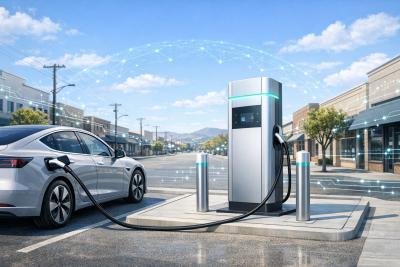
In addition to tax policy adjustments, the budget allocates $40 million over four years to enhance EV charging infrastructure, focusing on regional and kerbside projects. This investment aims to:

  • Improve charging access for apartment residents.
  • Support regional communities.
  • Facilitate long-distance travel for EV owners.

Furthermore, Australia Post will receive $40.5 million to support the electrification of its delivery fleet, aligning with the broader goal of reducing transportation emissions.

Road-User Charge Delayed

Despite ongoing discussions about implementing a national road-user charge for EVs to compensate for declining fuel excise revenue, the government has opted to delay this measure. Legal and constitutional concerns have influenced this decision, allowing more time for comprehensive policy development.

Implications for EV Owners and Buyers

The 2026 Federal Budget signals a shift in Australia's approach to EV adoption, moving from aggressive incentives to a more balanced strategy that includes infrastructure development and long-term taxation reform. Current and prospective EV owners should consider these changes when planning their vehicle purchases and financial arrangements.

For those contemplating an EV purchase, acting before the FBT exemption phase-out begins in April 2027 could result in substantial tax savings. Additionally, the planned expansion of charging infrastructure is expected to enhance the practicality and convenience of EV ownership across the country.

Published:Friday, 15th May 2026
Author: Paige Estritori

Please Note: We do not endorse any specific products or companies. Some content is sourced from third parties, including press releases, and may not be independently verified for accuracy or completeness.

Share this news item:

Rate this article

0 Comments

No comments yet. Be the first to share your thoughts.

Finance News

APRA Implements New Cap on High Debt-to-Income Home Loans
25 May 2026: Paige Estritori
The Australian Prudential Regulation Authority (APRA) has announced a significant policy change aimed at mitigating risks in the housing market. Effective February 1, 2026, APRA will impose a cap on high debt-to-income (DTI) home loans, limiting such loans to 20% of new home lending portfolios. This measure is designed to address concerns over escalating property prices and the potential for financial instability. - read more
ASIC Calls for Improved Consumer Protections in Car Finance Sector
25 May 2026: Paige Estritori
The Australian Securities and Investments Commission (ASIC) has conducted a comprehensive review of the motor vehicle finance sector, uncovering significant deficiencies in lenders' oversight of car finance distributors. This scrutiny has revealed problematic sales tactics and a lack of regular audits, prompting ASIC to call for immediate improvements to protect consumers. - read more
Australia's Marine Sector Confronts Severe Workforce Shortages
25 May 2026: Paige Estritori
The Australian marine industry is currently grappling with a significant shortage of skilled labour, a challenge that is affecting operational capacities and financial performance across the sector. According to the 2026 National Jobs & Skills Survey conducted by the Boating Industry Association (BIA), more than 90% of marine businesses have expressed deep concern over the lack of qualified personnel. - read more
Whittley Marine Launches CR 3100 OB at Sanctuary Cove
25 May 2026: Paige Estritori
Whittley Marine Group has introduced its latest innovation, the CR 3100 OB, at the 2026 Sanctuary Cove International Boat Show. This 31-foot outboard-powered cruiser is designed to offer a blend of overnight accommodation, trailerable practicality, and extended cruising capabilities, all within Australia's 2.5-metre maximum width regulations. - read more


Personal Loans Articles

Your Guide to Debt Consolidation Loans in Australia
Debt consolidation loans are a financial strategy many Australians use to manage their debt more effectively. Essentially, they allow you to combine multiple debts, such as credit cards, personal loans, and other liabilities, into a single loan with one monthly payment. This can make it easier to manage your finances and could potentially reduce the amount of interest you pay over time. - read more
Refinancing Your Loan: Is It the Right Move for You?
Loan refinancing is the process of replacing an existing loan with a new loan, usually with better terms. This financial strategy can be applied to a range of loans including mortgages, car loans, and personal loans. By refinancing, borrowers aim to achieve a more favourable interest rate, adjust the loan term, or consolidate debts. - read more
Are Unsecured Loans the Safer Choice? Weighing Your Options
Unsecured loans are a type of lending product that allow borrowers to obtain funds without the need to offer collateral. This means that the loan is not tied to any physical asset, such as a house or car, which can be seized by the lender if the borrower defaults. - read more
Loan Eligibility and Approval: What You Need to Know
Navigating the world of personal loans in Australia can be daunting, but understanding the basics of loan eligibility and approval is essential. Personal loans can be a valuable financial tool, helping you manage unforeseen expenses or consolidate debt. However, securing a loan is often dependent on a variety of factors, and being prepared can make all the difference. - read more


Free Assessment

Loan Amount:
Postcode:

All quotes are provided obligation-free by a participating broker from our national referral partner network. We respect your Privacy.


Knowledgebase
Truth in Lending Act (TILA):
A federal law designed to promote the informed use of consumer credit by requiring disclosures about terms and costs.