

Personal Loan Finance Online :: News
SHARE

Share this news item!

What On-Farm Electrification Means for Machinery Finance

Planning capital upgrades before diesel dependence becomes a cost risk

What On-Farm Electrification Means for Machinery Finance?w=400

The information on this website is general in nature and does not take into account your objectives, financial situation, or needs. Consider seeking personal advice from a licensed adviser before acting on any information.

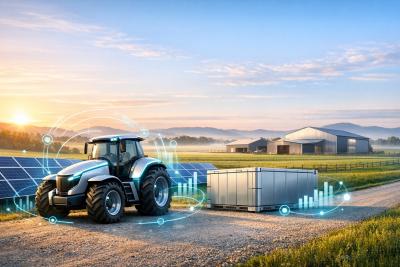
A new report highlighted by Grain Central has put on-farm electrification back in the spotlight, arguing that Australian farmers should prioritise electric machinery, vehicles and supporting energy infrastructure over a broad shift to biofuels.
For producers already weighing up machinery replacement cycles, the message is not simply environmental.
It is also a capital planning issue.

The report, commissioned by Farmers for Climate Action and prepared by energy researcher Professor Ray Wills, frames electrification as a pathway to reduce long-term exposure to diesel price shocks and strengthen regional energy independence. It suggests biofuels may still have a bridging role for existing tractors, harvesters and remote operations, but sees electric systems as the more durable long-term direction as machinery technology matures.

For farm businesses, the practical takeaway is that electrification will not be a single purchase decision. It may involve staged investment in electric utes, smaller mobile plant, stationary equipment, solar generation, battery storage and eventually heavier machinery. That changes the way farmers may need to think about compare financing options, because the asset being financed could increasingly include both the machine and the energy system that keeps it running.

The transition also raises timing questions. Many large broadacre operations will not be ready to swap diesel-powered seeding and harvest fleets immediately. Availability, charging capacity, paddock logistics and downtime risk all need to be tested carefully. However, lower-risk starting points may include workshop equipment, pumps, short-range vehicles and other assets that return to a central charging point. These investments can help a business build experience before committing to heavier electric machinery.

Another point for borrowers is residual value. As electric farm equipment becomes more common, lenders and buyers will pay close attention to battery condition, service support, software access and brand backing. That means the cheapest upfront asset may not deliver the best whole-of-life result. Farmers should consider maintenance expectations, charging infrastructure, warranties and the likely trade-in pathway before signing contracts.

The report also canvasses policy change, including a proposed cap on very large Fuel Tax Credit Scheme claims and redirecting savings towards regional energy transition support. Whether or not that proposal advances, it signals that diesel-reliant business models may face more scrutiny over time.

For now, the best approach is measured, not rushed. Farmers considering electrified machinery should review cash flow, seasonal income patterns and replacement priorities, while modelling repayments under different energy-cost assumptions. Electrification may still be emerging, but finance planning for it should start well before the next major machinery upgrade.

Published:Friday, 10th Jul 2026
Author: Paige Estritori

Please Note: We do not endorse any specific products or companies. Some content is sourced from third parties, including press releases, and may not be independently verified for accuracy or completeness.

Share this news item:

Rate this article

0 Comments

No comments yet. Be the first to share your thoughts.

Finance News

What Personal Loan Comparisons Mean for Jetski Finance
25 Jul 2026: Paige Estritori
Canstar’s latest personal loan coverage is a useful reminder for Australians planning a lifestyle purchase: the cheapest-looking loan is not always the lowest-cost option once fees, loan terms and repayment flexibility are considered. While the guidance is written for personal loans broadly, it has clear relevance for buyers considering jetski loans, especially when a personal watercraft is being financed outside a dedicated marine loan. - read more
Why ATO Interest Changes Matter for Small Business Finance
25 Jul 2026: Paige Estritori
Australian small businesses carrying tax debt face a sharper cash flow test as the after-tax cost of ATO interest becomes harder to absorb. From the 2025-26 income year, general interest charge and shortfall interest charge amounts incurred on tax debts are no longer deductible. For SMEs that have relied on payment plans as a temporary buffer, the change makes delayed tax payments more expensive in real terms. - read more
Why Towing Safety Should Shape Your Caravan Buying Budget
25 Jul 2026: Paige Estritori
Recent towing-safety coverage across Australia’s motoring media is a useful reminder that choosing a caravan is not only about layout, appliances and off-grid features. For buyers planning to finance a new or used van, the safety numbers can be just as important as the purchase price. A caravan that looks affordable on paper may still become a poor fit if it pushes a tow vehicle beyond its practical limits or forces costly upgrades after settlement. - read more
Fixed Home Loan Discounts Give Refinancers Fresh Options
25 Jul 2026: Paige Estritori
A fresh round of fixed home loan discounting is giving Australian mortgage holders another reason to reassess their current deal, even as uncertainty remains around the next move from the Reserve Bank of Australia. Recent rate-tracking across the market shows more lenders sharpening fixed-rate offers, particularly across shorter terms, as competition for quality borrowers continues to build. - read more


Personal Loans Articles

Unlock Better Loan Options: Quick Fixes for Your Credit Score
Your credit score plays a crucial role in your financial journey, especially when it comes to obtaining loans in Australia. It's essentially a numerical representation of your creditworthiness and helps lenders assess the risk of lending you money. - read more
Refinancing Your Loan: Is It the Right Move for You?
Loan refinancing is the process of replacing an existing loan with a new loan, usually with better terms. This financial strategy can be applied to a range of loans including mortgages, car loans, and personal loans. By refinancing, borrowers aim to achieve a more favourable interest rate, adjust the loan term, or consolidate debts. - read more
Are Unsecured Loans the Safer Choice? Weighing Your Options
Unsecured loans are a type of lending product that allow borrowers to obtain funds without the need to offer collateral. This means that the loan is not tied to any physical asset, such as a house or car, which can be seized by the lender if the borrower defaults. - read more
Loan Eligibility and Approval: What You Need to Know
Navigating the world of personal loans in Australia can be daunting, but understanding the basics of loan eligibility and approval is essential. Personal loans can be a valuable financial tool, helping you manage unforeseen expenses or consolidate debt. However, securing a loan is often dependent on a variety of factors, and being prepared can make all the difference. - read more


Free Assessment

Loan Amount:
Postcode:

All quotes are provided obligation-free by a participating broker from our national referral partner network. We respect your Privacy.


Knowledgebase
Balloon Payment.:
A large loan repayment made in order to clear a debt. Usually applied to a short-term fixed-rate loan, which involves small payments for a certain period of time with one large payment for the remaining amount of the principal at a time specified in the future.